Choosing the right pest control company for you and your home
A perfect fit in a pest control company goes far beyond simply handling treatments. It’s about embodying reliability, curiosity, and a genuine commitment to protecting homes and businesses. The best team members are those who take pride in solving problems that others can’t see. Approaching each inspection with a blend of technical skill and thoughtful observation. They understand that every property is unique, every pest challenge has a story. While also understanding every customer deserves clear communication and peace of mind.
Finding reliability, curiosity and commitment in AZ Pest Control companies
What truly sets someone apart in this industry is their ability to balance precision with people‑focused service. A perfect fit listens closely to customers, explains issues in a way that builds trust, and offers solutions that feel both practical and reassuring. They stay calm under pressure, adapt quickly to changing conditions, and maintain a strong respect for safety, for themselves, their team, and the families they serve. Their professionalism becomes part of the company’s reputation, shaping how the community views the brand.
Precision and people-focused service sets Arizona pest control companies apart
Finally, the ideal pest control professional embraces continuous learning. Pests evolve, seasons shift, and new treatment technologies emerge, so the perfect fit is someone who stays curious and proactive. They take pride in representing the company, contribute positively to team culture, and see each service call as an opportunity to strengthen long‑term customer relationships. In a field built on trust and expertise, these qualities make all the difference.
If you are looking for that perfect fit in a pest control company, look no further. Essential Pest Control is dedicated to providing quality customer service while giving you the best pest protection in Tucson and surrounding areas. Call today at 520-886-3029 or visit EssentialPest.com
How to Keep Stored Food Pest Free
A quick guide to keep your stored food from pest contamination
Keeping your stored food pest free starts with strong, airtight protection. Pests like moths, weevils, beetles and ants can slip through tiny gaps in factory packaging and plastic bags once opened. Transferring dry goods such as flour, rice, cereal, pasta, and even pet food into sealed glass or heavy‑duty plastic containers creates a solid barrier. This barrier keeps insects out and preserves freshness. Even unopened packages can carry hidden eggs from warehouses or grocery shelves. So repackaging items right away is one of the simplest and most effective preventive steps.
Cleanliness plays an equally important role in keeping pests away. Crumbs, spills, and forgotten open bags quickly attract insects. especially in warm climates like Tucson where pests stay active year‑round. Regularly wiping down shelves, vacuuming corners, and rotating older items to the front helps you stay aware of what’s in your pantry. It prevents long‑neglected products from becoming breeding grounds. Natural deterrents like bay leaves can offer a mild layer of protection, but they work best when paired with consistent sanitation.
Cleanliness is key
Wipe down shelves
Vacuum corners
Rotating older items to the front
Use natural deterrents
Staying alert to early warning signs is the final key to long‑term protection. Look for webbing in flour, tiny beetles in grains, or small holes in packaging—these subtle clues often indicate a growing infestation. If you spot anything suspicious, remove the affected items immediately and clean the area thoroughly to stop pests from spreading. For recurring issues or larger infestations, professional pest control can identify hidden sources and seal off entry points you may not notice. With proactive habits and expert support when needed, your stored food stays safe, fresh, and pest free.
Spring brings a burst of life to Tucson, and that includes the bugs.
As temperatures rise and plants wake up from winter dormancy, many insects become active all at once. Ants begin expanding their colonies, sending out scouts in search of food and moisture. Flies and gnats multiply quickly with the warmer weather, especially in areas with standing water or lush vegetation. Even beetles and moths emerge in greater numbers as they complete their seasonal life cycles.
Spiders also become more noticeable in spring, not because they suddenly appear, but because their prey does. With more insects buzzing around, spiders move into corners of patios, garages, and outdoor furniture to take advantage of the buffet. While most are harmless and even helpful, their webs and sudden appearances can still be unsettling for homeowners. Spring is also when stinging insects like wasps begin building new nests, often in eaves, sheds, and play structures.
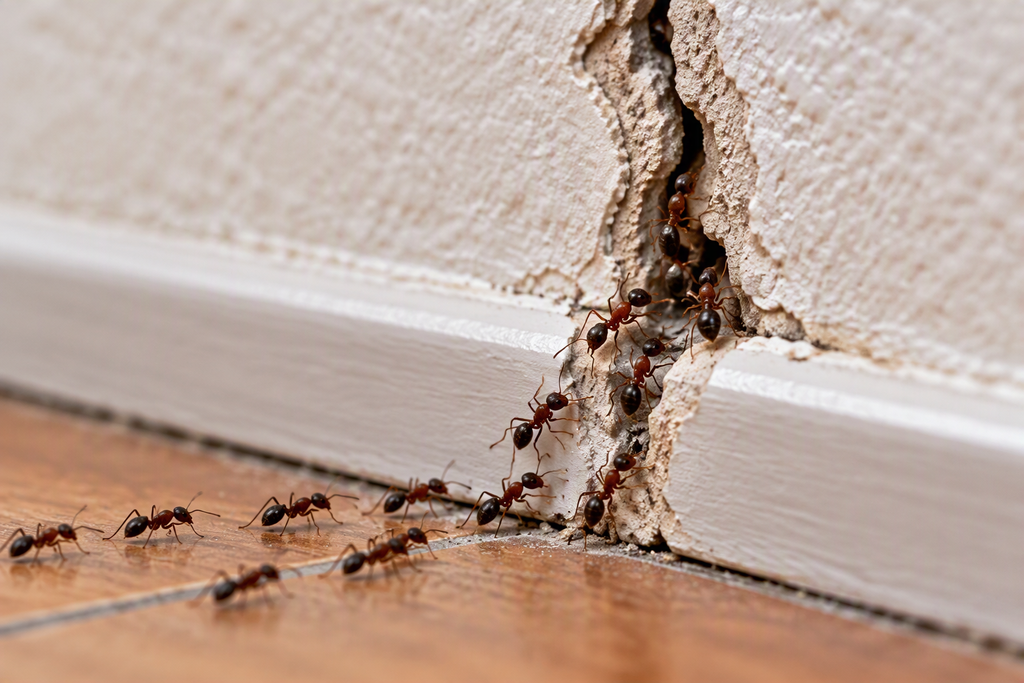
Inside the home, spring pests are driven by food, moisture, and shelter. Ants slip through tiny cracks in search of crumbs, pantry items, or water sources. Earwigs and roaches may wander indoors after spring rains, especially in older homes or properties with lush landscaping. This seasonal surge makes spring one of the most important times for preventative pest control—sealing entry points, reducing moisture, trimming vegetation, and scheduling a professional inspection can keep the season’s bug boom outside where it belongs.
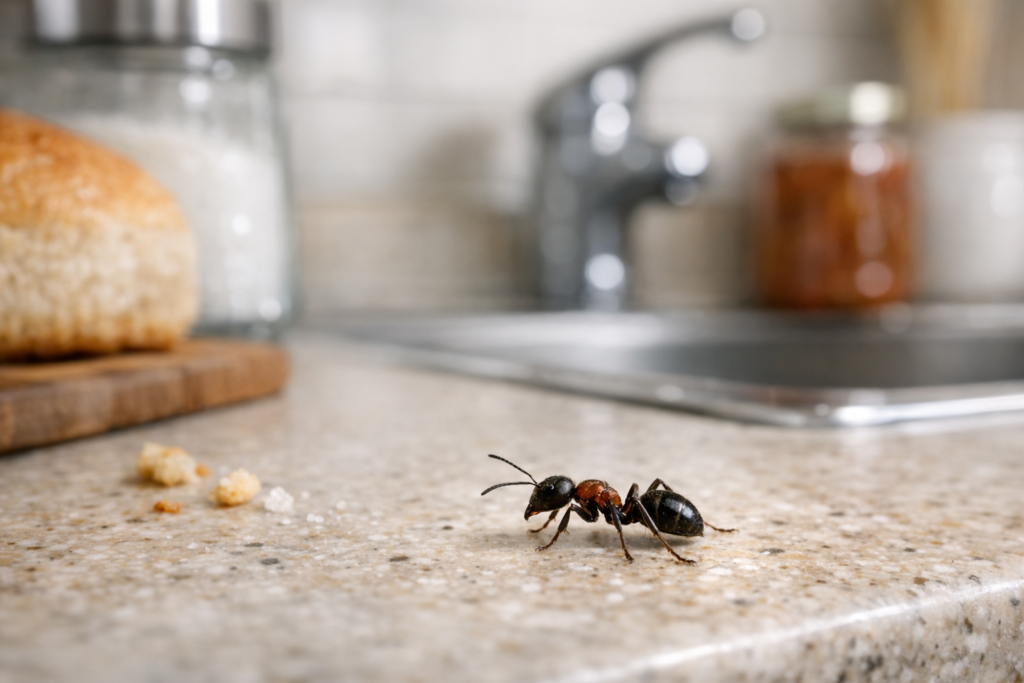
Pests contaminating food can quickly turn a comfortable home into a health hazard. Especially in a warm climate like Tucson where insects and rodents stay active year‑round. When pests gain access to pantries, cupboards, or food prep areas, they leave behind droppings, shed skin, saliva, and bacteria that can spread illness. Even a few ants trailing across the counter or a single mouse in the garage, can signal a larger infestation hiding out of sight. Once contamination occurs, entire packages of food often need to be discarded, leading to both safety concerns and unnecessary expense.
Beyond the immediate mess, pests are experts at exploiting tiny gaps and overlooked storage habits. Cockroaches squeeze into unopened boxes of cereal, weevils and pantry moths lay eggs in flour or rice, and rodents chew through plastic, cardboard, and even thin metal to reach food sources. As they move through your home, they track germs from drains, crawlspaces, and outdoor areas directly onto surfaces where meals are prepared. This cross‑contamination can introduce pathogens like salmonella, E. coli, and staphylococcus, putting families, especially children and older adults at risk.
Here are some of the pests that can contaminate your food:
Ants
Cockroaches
Weevils
Pantry Moths
Rodents
Preventing food contamination starts with understanding how pests operate and eliminating the conditions that attract them. Properly sealed containers, routine cleaning, and quick attention to crumbs or spills make a big difference. But long‑term protection often requires professional pest control to identify entry points, remove hidden infestations, and create a barrier that keeps pests out for good. With consistent prevention and expert support, homeowners can protect their kitchens, safeguard their food, and maintain a healthier living environment.
Are you having any issues with pest in your kitchen? Give us a call 520-886-3029 or visit our website
Beehives around your home are a risk and can turn very dangerous very quickly
Bee hives around your home can create more risk than many people realize. Especially in a place like Tucson where warm weather keeps bee activity high for much of the year. When a hive becomes established in walls, eaves, sheds, or trees close to the house, the bees naturally become defensive of their colony. Even normally calm species can become aggressive when they feel vibrations, loud noises, or movement near the hive. This raises the chance of stings for anyone spending time outdoors, kids playing, pets exploring, or adults doing yard work. For individuals with allergies, even a single sting can be dangerous, making proximity to a hive a serious concern.
Vibrations
Loud noises
Movement near the hive
Beyond the immediate threat of stings, bee hives can cause hidden structural issues. As a colony grows, bees produce large amounts of wax and honey, which can seep into walls or attic spaces. When temperatures rise, honey can melt and spread, attracting ants, rodents, and other pests. The weight of a large hive can also damage drywall or roofing materials. If the colony dies or is removed improperly, leftover honeycomb can ferment, leak, and create long-term odor and moisture problems that require costly repairs.
There’s also the risk of attracting more bees or even more aggressive species. Africanized honeybees, common in Southern Arizona—are far more defensive and quicker to swarm when disturbed. A hive on your property increases the likelihood of encounters with these bees, especially if the colony splits and forms new hives nearby. Keeping your home and yard free of active hives helps protect your family, pets, and property from these escalating risks.
Find out how to get a head start on your weed control
Getting ahead of weeds starts long before they ever break the surface, and pre-emergent herbicides are one of the most effective tools for staying in control. These products create a protective barrier in the soil that stops weed seeds from germinating, which means fewer invaders competing with your lawn or landscape for water, nutrients, and sunlight. Timing is everything: applying pre-emergent before weed seeds sprout. This vigilance sets the stage for a cleaner, healthier yard throughout the year.
Pre-emergent herbicides
Timing of applications
Actively watering in Herbicides
Avoid disturbing soil
Consistent Schedule
To get the most out of a pre-emergent application, it’s important to pay attention to soil temperature and seasonal patterns. Many common weeds begin germinating when soil temperatures reach roughly 55°F, so applying your product just before that threshold ensures the barrier is in place when you need it most. After spreading a granular or liquid pre-emergent, watering the area activates the product and helps it bind to the soil. Taking advantage of the winter rains is ideal. Once applied, avoid disturbing the soil with raking or digging, as this can break the barrier and allow weeds to slip through.
A consistent schedule is key to long-term weed prevention. Pairing pre-emergent treatments with good yard care practices creates a strong, dense turf that naturally resists weed growth. With a proactive approach, you’ll spend far less time pulling weeds and far more time enjoying a clean, vibrant landscape.
As the New Year begins, it’s the perfect time for homeowners and businesses to reset, refresh, and reinforce their pest protection. Seasonal changes, holiday travel, and shifting weather patterns can all introduce new pest pressures. This makes early‑year inspections and treatments especially valuable. A proactive approach now helps prevent small issues from becoming costly infestations later in the year.
Comprehensive Solutions
Targeted Treatment Methods
Expert Infestation Intervention
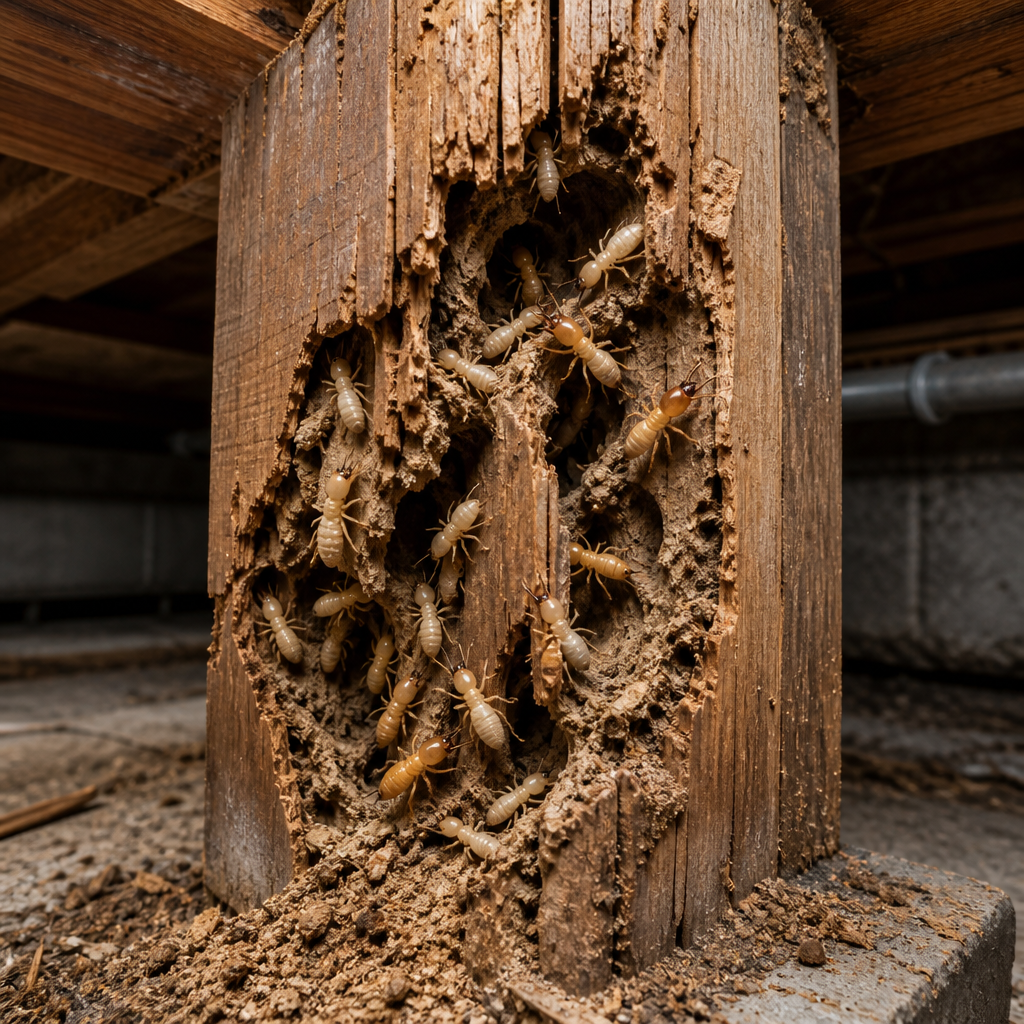
Professional pest control services offer comprehensive solutions tailored to the unique needs of each property. From identifying hidden entry points to treating pest activity, trained technicians use targeted methods that are safe, effective, and designed to provide long‑lasting protection. Whether its rodents seeking warmth, ants exploring for food, or termites quietly expanding their colonies, expert intervention ensures these threats are addressed before they escalate.
Starting the year with a customized pest management plan sets the foundation for a healthier, more comfortable environment all year long. Regular service visits, preventive treatments, and ongoing monitoring keep your home or business one step ahead of seasonal pest challenges. With consistent care and expert support, you can enjoy peace of mind knowing your property is protected from unwanted intruders throughout the year.
Start the new year off right with services from Essential Pest Control. Contact us today at 520-886-3029 or visit us at: Pest Control Tucson | Essential Pest Control to start your year pest free!
Bed Bugs for the Holiday Season
The holiday season brings warmth, travel, and family gatherings, but it also creates the perfect conditions for bed bugs to spread.
How they find their way in your home
Hotels and temporary housing
Public transportation
Public seating in places with heavy traffic
These tiny hitchhikers thrive on movement, and with more people staying in hotels, visiting relatives, and exchanging luggage, the chances of accidental transport increase dramatically. Bed bugs don’t discriminate between clean or cluttered spaces; all they need is a ride and a place to hide.
Once inside a home, bed bugs can quickly become a persistent problem. They tuck themselves into mattresses, furniture seams, baseboards, and even holiday décor that’s been stored away. Because they reproduce steadily and are excellent at staying hidden, an unnoticed introduction in December can turn into a full infestation by the new year. Early signs, such as small reddish stains on bedding, tiny dark spots, or unexplained bites—are easy to overlook during the busy holiday rush.
Prevention is the best defense during this high‑travel season. Inspect luggage after trips, wash and dry clothing on high heat, and keep guest bedding clean and clutter‑free. If you’re hosting, consider giving guest rooms a quick check before and after visitors arrive. And if you suspect bed bugs have made their way into your home, professional treatment is the most effective way to eliminate them fully. Staying vigilant during the holidays helps protect your home, your guests, and your peace of mind.
Do you think you may be experiencing bed bugs? Give Essential Pest Control a call today! 520-886-3029. Or you can visit our website: Pest Control Tucson | Essential Pest Control
Cockroach Problems in the Winter
Cockroach infestations often worsen in winter as these pests seek warmth, moisture, and food inside homes. Their activity doesn’t slow down with the cold, it shifts indoors.
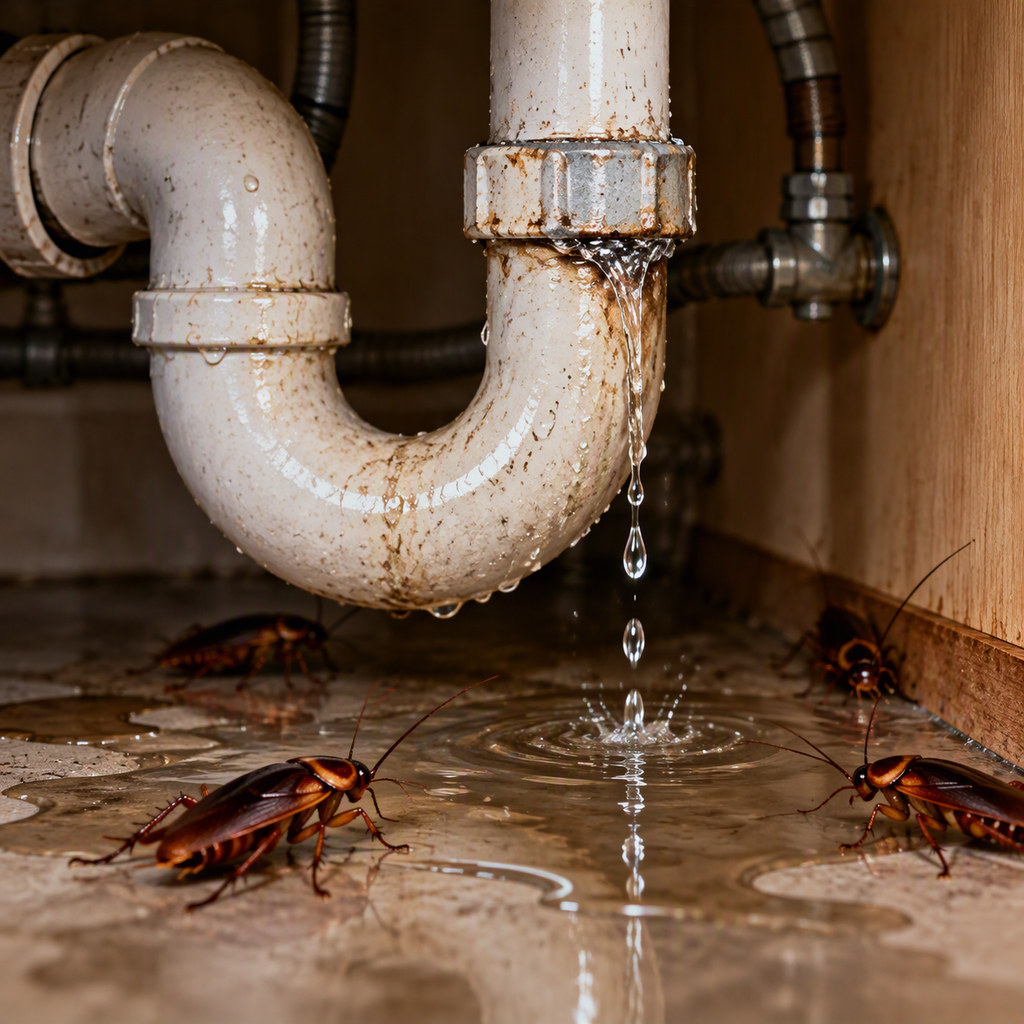
During winter, cockroaches become more visible and problematic because they’re driven indoors by dropping temperatures. As cold-blooded insects, they rely on external warmth to survive, so heated homes, especially kitchens and bathrooms, become ideal refuges. Cracks in foundations, gaps around pipes, and poorly sealed doors or windows offer easy entry points. Once inside, they settle into warm, humid areas like under sinks, behind appliances, or inside wall voids, where they remain active and reproduce rapidly.
Humidity
Food Sources
Humidity plays a surprising role in winter infestations. While many associate winter with dry air, indoor environments—especially those with poor ventilation or constant heating—can retain moisture. This creates perfect conditions for cockroach survival. Kitchens and laundry rooms with steam, leaks, or condensation become hotspots. Cockroaches are drawn to these areas not just for warmth but for the moisture that supports their metabolism and egg development. Their ability to hide in deep crevices makes early detection difficult, and infestations often go unnoticed until they’re widespread.
To prevent cockroach problems in the winter, homeowners should focus on sealing entry points, reducing indoor humidity, and maintaining cleanliness. Food crumbs, pet dishes, and garbage bins are major attractants. Regular inspections, especially in hidden or humid areas, can help catch infestations early. If roaches are spotted, professional pest control is often necessary, as DIY treatments may not reach hidden nests or may lead to resistance. Winter doesn’t offer a break from pests; it simply shifts the battleground indoors.
During Tucson’s winter holidays, pests like rodents, scorpions, spiders, and cockroaches often seek warmth and shelter indoors, making prevention essential for a stress-free season.
The cooler desert nights of Tucson drive pests inside homes where holiday gatherings, food, and decorations provide plenty of opportunities for them to thrive. Rodents, scorpions, spiders and cockroaches are among the most common winter invaders that can disrupt festivities. They’re attracted to cozy spaces, leftover crumbs, and cluttered storage areas where holiday décor is kept. To minimize risk, homeowners should focus on sealing entry points such as cracks, gaps around doors, and vents. Also keeping kitchens clean and food stored in airtight containers will help minimize risks. Let's go over the culprits and how you can make sure you're staying pest-free for the holidays.
The main culprits
Rodents
Scorpions
Spiders
Cockroaches
Holiday traditions often involve unpacking decorations from garages or attics, which can stir up hidden pests. Inspecting boxes for droppings or chew marks before bringing them inside is a smart precaution. Regularly vacuuming, wiping counters, and promptly disposing of trash also reduce pest temptations. In Tucson’s mild winters, scorpions and ants may still be active, so maintaining outdoor cleanliness, like trimming vegetation and removing standing water, helps keep them away from the home.
Professional pest control services in Tucson emphasize proactive measures during the holidays. Scheduling a seasonal inspection ensures that any hidden infestations are caught early. Essential pest control recommends the measures to keep out the unwelcome guests. Call Essential today - 520-886-3029 to schedule your inspection or visit: Pest Control Tucson | Essential Pest Control and use our online form.